Cervical Cancer Worldwide
A largely preventable disease that still claims hundreds of thousands of women’s lives every year.
The Global Challenge
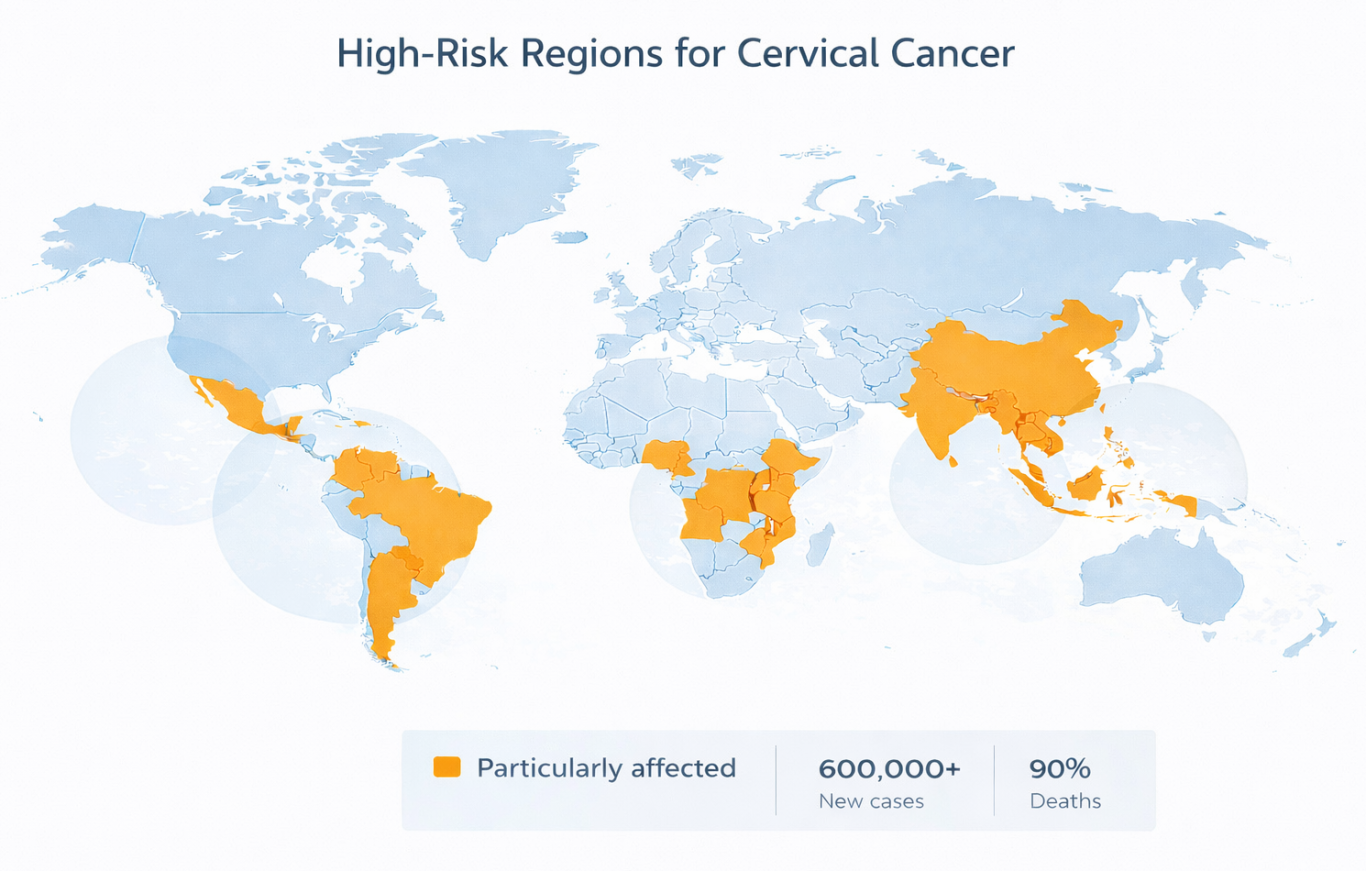
Cervical cancer is one of the most common cancers among women worldwide. Each year, more than 600,000 new cases are diagnosed, and over 300,000 women die from the disease.
Particularly alarming is that approximately 90% of these deaths occur in low-income and structurally disadvantaged countries. The underlying cause is not a lack of medical knowledge—but limited access to screening, diagnostics, and early treatment.
The reality is clear: when detected early, cervical cancer is highly treatable and, in most cases, preventable.
604.000+
New cases per year worldwide
340.000+
Annual deaths worldwide
90-70-90
WHO elimination target
Why Early Detecion Saves Lives
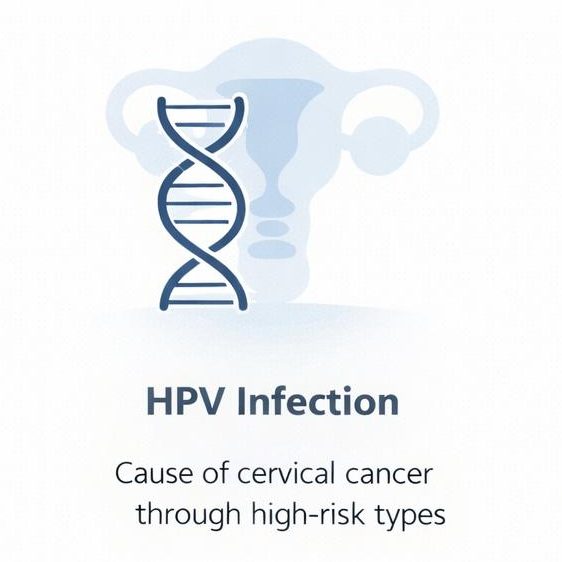
Most cases of cervical cancer are caused by specific high-risk HPV infections.
These infections often remain undetected for years, as they typically do not cause symptoms.
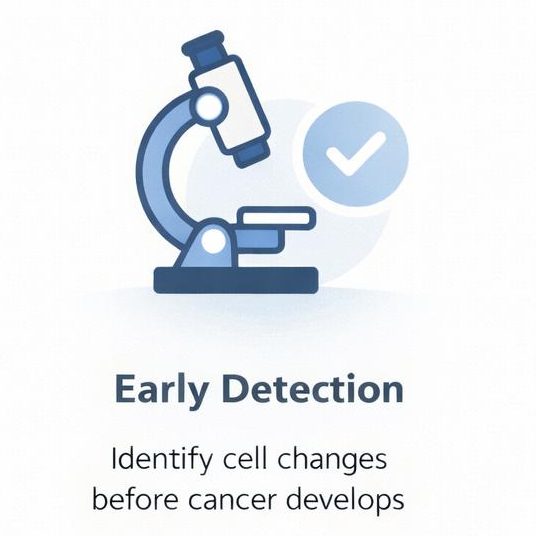
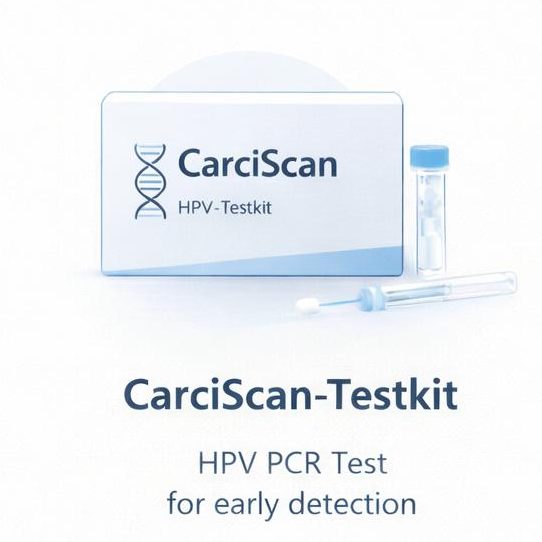
A modern HPV PCR test can identify risk at an early stage—long before cancer develops.
Through timely screening, severe disease can be prevented and lives can be saved.

Why the Disease Is Preventable
Cervical cancer typically develops slowly over several years. This is precisely why it presents a critical opportunity: prevention and early detection can save lives.
The Greatest Barriers
Despite the availability of effective prevention measures, structural and social barriers in many regions continue to hinder timely diagnosis and early intervention.
High Costa
In many countries, the cost of screening programs and diagnostic services places them out of reach for significant portions of the population.
Long Travel Distances
Women living in rural regions frequently face long travel distances in order to access medical facilities.
Lack of Awareness
Insufficient health education contributes to women underestimating risks or ignoring early symptoms.
Limited Access
Inadequate infrastructure and limited testing capacity make large-scale preventive screening difficult to implement.
A New Opportunity for Prevention
Modern screening solutions now make it possible to rethink prevention. Innovative, precise, and accessible testing methods provide the foundation for early diagnosis—regardless of geographic or infrastructural limitations.
Through simple sample collection, reliable PCR-based analysis, and scalable implementation models, even previously underserved regions can be reached.
Early detection must not be a privilege—it should be a global standard.